

In an increasingly interconnected world, global economic trends have a profound impact on national economies, including Chile’s. Understanding these influences is crucial for policymakers, businesses, and citizens alike.
Global Energy Prices and Inflation
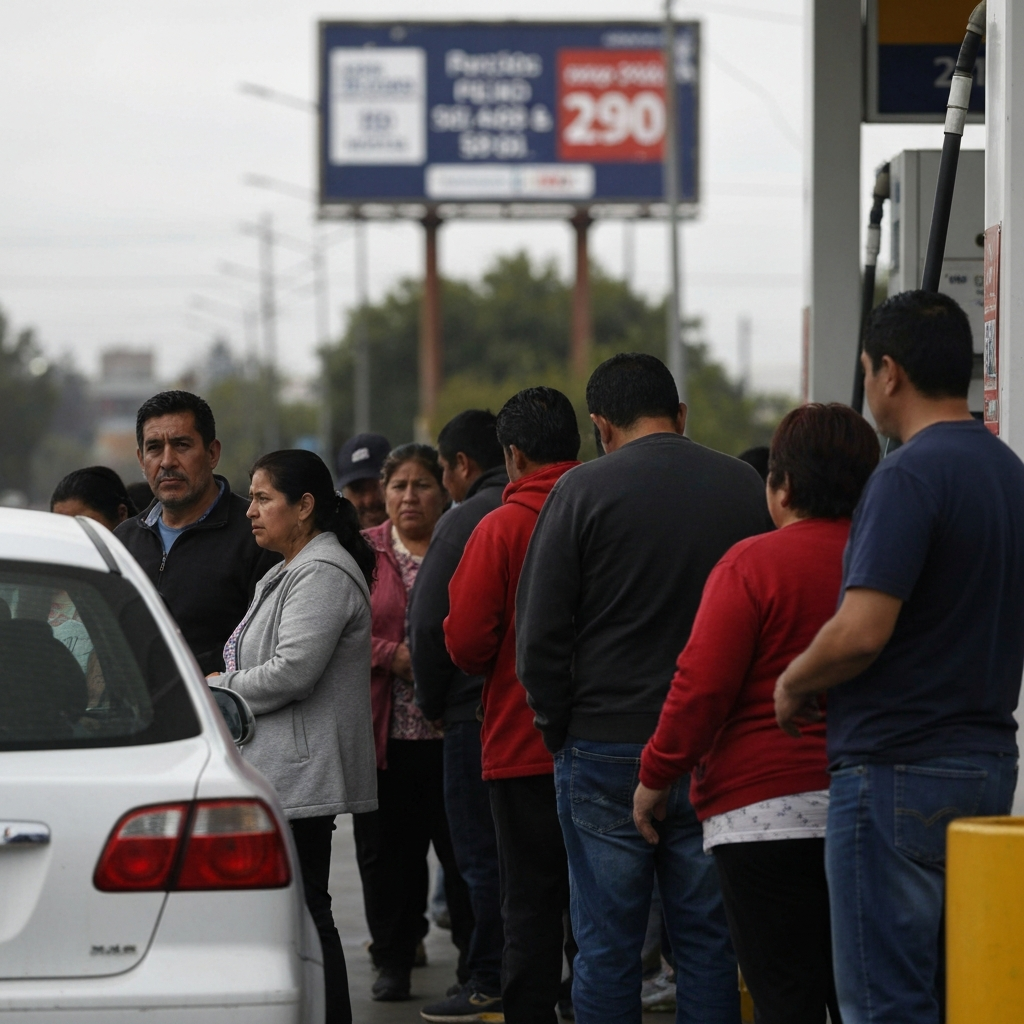
Recent global events, such as the conflict in Iran, have led to a surge in oil prices, reaching approximately $110 per barrel. This increase has had a cascading effect on energy costs worldwide. In Chile, the government opted not to activate the fuel price stabilization mechanism, resulting in consumers bearing the brunt of rising fuel prices. Consequently, inflation has risen, particularly affecting sectors like transportation, education, and food. Many Chilean families have had to adjust their lifestyles, reducing car usage and altering dietary habits to cope with the increased cost of living.
Regional Responses to the Energy Crisis
Latin American countries have adopted varied strategies to mitigate the impact of the global energy crisis. For instance, Mexico reduced taxes and reached agreements with gas stations, while Brazil implemented subsidies for diesel, gas, and airlines. In contrast, Chile’s decision to pass on the full increase in fuel prices to consumers has sparked debates about the effectiveness of such an approach, especially considering the resulting inflationary pressures and public dissatisfaction.
Economic Growth Amid Global Uncertainties
Despite global economic challenges, Chile’s economy has shown resilience. Projections indicate a GDP growth of approximately 2.4% in 2025 and 2026. This growth is supported by robust copper exports and a gradual recovery in domestic demand. However, the economy remains sensitive to global developments, particularly demand fluctuations in major markets like China and the European Union, which are significant consumers of Chilean minerals.
Structural Challenges and Opportunities
Chile faces structural challenges, including an aging population and the need for economic diversification. To sustain and enhance economic growth, the country is focusing on boosting investment, improving labor force participation, and fostering innovation. Leveraging its abundant renewable energy resources and critical minerals like lithium and copper positions Chile to benefit from the global green transition.
Conclusion
Global economic trends significantly influence Chile’s economic landscape. While challenges persist, strategic policies and investments can enable Chile to navigate these global currents effectively, ensuring sustainable growth and improved quality of life for its citizens.